Signs Your Child or Teen May Be Struggling With Anxiety

The Importance of Recognising Signs of Anxiety in Children and Teens
It is natural for children and adolescents to experience worries as they grow and navigate new challenges. However, when anxiety begins to impact daily life, emotional wellbeing, or relationships, additional support can be helpful.
In my work supporting children and adolescents, I often see anxiety showing up in ways that parents don’t initially recognise as anxiety. It can appear as constant worrying, emotional shutdown, heightened emotional reactions, school avoidance, or becoming easily agitated. These behaviours can be confusing or concerning for parents, especially when they appear suddenly or feel out of character for their child.
Recognising early signs can help parents provide support before anxiety becomes overwhelming.
Understanding Anxiety in Children and Adolescents
Anxiety is the body’s natural alarm system. It is designed to alert us when something feels unsafe or uncertain. For children and adolescents experiencing anxiety, this alarm system can become highly sensitive, reacting strongly even when there is no immediate danger.
One of the most common misunderstandings I see is when anxiety is mistaken for misbehaviour, laziness, or a child simply not wanting to participate in school or activities. In reality, anxiety can feel very real and overwhelming for young people. Their nervous system is responding as though they are facing a threat, even when they may not fully understand why they feel this way.
With the right support, children and adolescents can learn to understand their anxiety and develop confidence in managing these feelings.
Common Signs of Anxiety in Children
Younger children may express anxiety in ways that appear behavioural or emotional rather than verbal.
Some common signs include:
Frequent worries or fears about everyday situations
Difficulty separating from parents or caregivers
Emotional outbursts or meltdowns
Increased irritability or sensitivity
Avoiding school or social activities
Trouble sleeping or nightmares
Complaints of stomach aches or headaches without medical cause
Becoming unusually quiet or withdrawn
Strong reactions to change or uncertainty
Children often don’t yet have the language to explain their emotions. Instead, anxiety can show through behaviour or physical discomfort. Helping children learn to recognise and express their emotions is an important step in supporting their emotional wellbeing.
Common Signs of Anxiety in Adolescents and Teens
Adolescents often experience anxiety differently as they navigate identity development, friendships, academic pressures, and increased independence.
Signs of anxiety in teenagers may include:
Persistent worry about school performance or social situations
Avoiding activities they previously enjoyed
Increased self-criticism or low confidence
Changes in mood, including irritability or sadness
Difficulty concentrating or feeling overwhelmed
Sleep difficulties or fatigue
Withdrawal from friends or family
Increased sensitivity to peer relationships or social media
Physical symptoms such as headaches, muscle tension or stomach discomfort
Teenagers may find it difficult to talk about anxiety openly. Many young people I work with initially feel confused about why they feel overwhelmed or stuck, and may not realise that support can help them understand what they are experiencing.
When Anxiety May Need Additional Support
Occasional worry is part of normal development. However, counselling support may be helpful if anxiety:
Interferes with school, friendships, or daily routines
Causes ongoing emotional distress
Leads to avoidance of normal activities
Impacts confidence or self-esteem
Affects sleep or physical wellbeing
Feels overwhelming for the young person or their family
Early support can help children and adolescents develop emotional coping skills that support long-term wellbeing. I often find that once young people begin understanding their emotions, they start to feel more confident and capable in managing challenges that previously felt overwhelming.
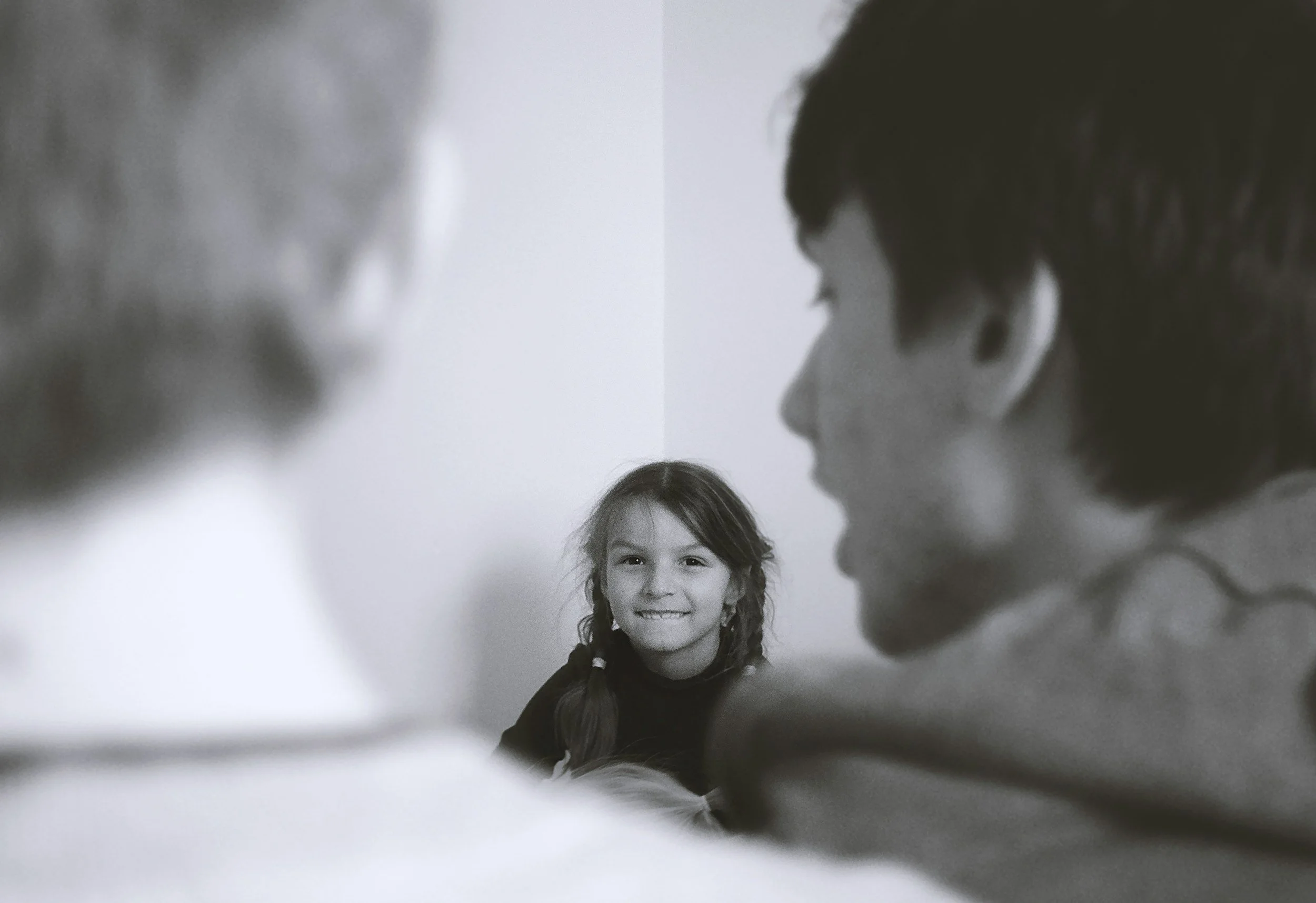
Many parents feel unsure whether their child’s worries are normal…
You are not alone in wondering when support may help.
How Counselling Can Help Children and Adolescents With Anxiety
Counselling provides a safe and supportive environment where young people can explore worries, build confidence, and learn practical coping strategies.
My approach focuses strongly on building rapport and creating a gentle, supportive space where young people feel understood and safe to express their worries. I work from a strengths-based perspective, helping children and adolescents recognise their abilities while developing new emotional coping skills.
Counselling may help young people:
Understand and express emotions more clearly
Learn calming and emotional regulation techniques
Develop problem-solving and coping skills
Build confidence and self-esteem
Improve communication and relationships
Reduce avoidance behaviours
Feel more in control of worries and stress
Over time, many young people develop a clearer understanding of their triggers and begin to feel more confident managing their emotions independently.
Supporting Your Child or Teen At Home
Parents play an important role in supporting young people experiencing anxiety. Many parents want to help but feel unsure how to respond, especially when anxiety presents as avoidance or emotional outbursts.
Helpful strategies may include:
Creating safe opportunities for open conversation
Validating emotions rather than dismissing worries
Encouraging gradual exposure to challenges
Modelling calm and healthy coping strategies
Maintaining consistent routines and boundaries
Seeking professional support when anxiety becomes overwhelming
I strongly believe that increasing community awareness and providing parents with practical tools is essential. Many families simply have not been given access to education or guidance around emotional wellbeing, which can make supporting anxious children feel isolating or overwhelming.
Anxiety Is Common and Support Is Available
Many children and adolescents experience anxiety at different stages of development. With the right support, young people can learn to understand their emotions, build resilience, and develop confidence navigating life challenges.
Seeking counselling support can be a positive and proactive step in supporting your child or adolescent’s emotional wellbeing.
When To Seek Professional Support
If you feel your child or teen may be struggling with anxiety or emotional overwhelm, speaking with a qualified counsellor can help you better understand their needs and explore supportive strategies.
At Mindnest Counselling, I provide compassionate counselling for children and adolescents experiencing anxiety, emotional challenges, and stress. I work collaboratively with families to support emotional growth, confidence, and wellbeing.
👉 Learn more about Child & Adolescent Counselling HERE
Supporting Young People to Feel Understood and Confident
Every young person deserves to feel heard, supported, and confident navigating their emotions. With early understanding and the right support, children and adolescents can develop lifelong emotional resilience.
